Where to Source Inventory to Resell on Mercari
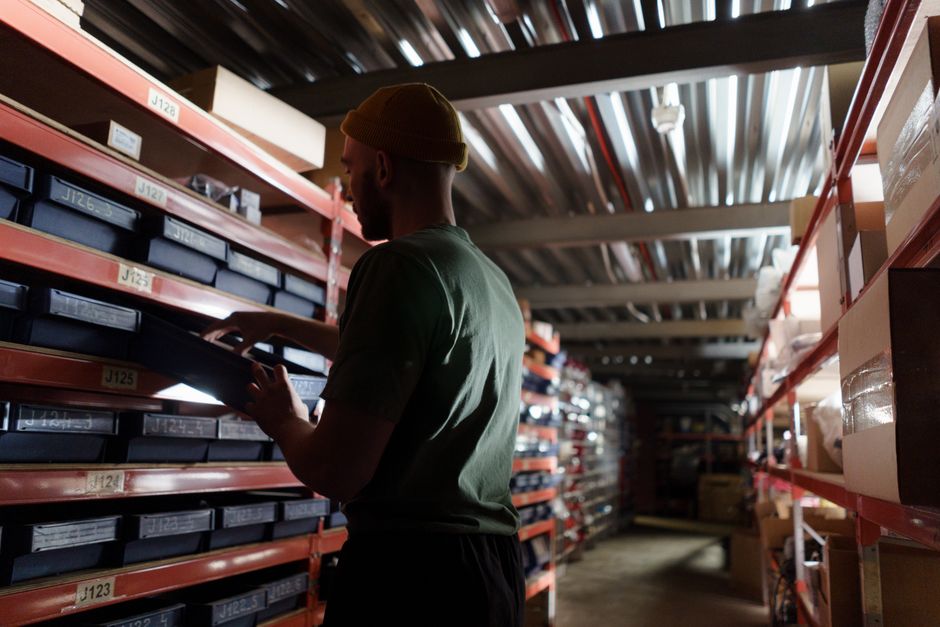
Finding things to sell is the part most resellers underestimate. The listing and shipping are straightforward once you have good inventory, but actually knowing where to source inventory to resell consistently, without overpaying, takes some real trial and error. Here is what works, broken down by sourcing channel so you can figure out which ones fit your schedule and your niche.
Thrift Shops and Charity Stores
Thrift shops are the most common starting point for Mercari resellers, and for good reason. Goodwill, Salvation Army, Savers, and local charity shops turn over stock constantly, and prices are usually low enough to leave room for a real margin.
The catch is that good thrift sourcing requires routine. Showing up once a month and hoping to find a haul is a long shot. Showing up two or three times a week, especially on restock days (usually Tuesday through Thursday at most chains), changes the math entirely. You start to recognize what is being priced wrong, and you build a feel for what sells in your category.
A few things that consistently move on Mercari when sourced from thrift shops:
- Name-brand clothing in clean condition (Levi’s, Carhartt, Patagonia, Nike)
- Video games and consoles from any generation
- Small kitchen appliances with all parts intact
- Vintage linens, pyrex, and glassware
- Hardcover books on niche topics, especially cookbooks and craft books
For a deeper look at building a thrift-sourcing habit that actually moves inventory, the practical guide to sourcing inventory for reselling covers the full approach from sourcing through sell-through.
Garage Sales, Estate Sales, and Yard Sales
Garage sales and estate sales are where resellers find the best margins, because sellers are usually motivated to move everything by noon and pricing is often negotiable. Estate sales in particular tend to have better quality items, since the contents of an entire household are being cleared at once.
The trade-off is time. You need to drive around, show up early, and strike out on a regular basis. Most experienced resellers treat it as a Saturday morning routine rather than a reliable weekly income source.
Tips that actually help:
- Use EstateSales.net or the Facebook Marketplace Events tab to find sales the night before.
- Arrive in the first 30 minutes for the best selection.
- Bring cash in small bills. Sellers almost always prefer it and it gives you negotiating ground.
- Know your comps before you go. Pull up sold listings on Mercari for the categories you focus on so you are not guessing on price in the field.
If you are new to this sourcing channel, the garage sale flipping guide for Mercari resellers walks through the routines that make weekend sourcing worth the early alarm.
Online Sourcing: Facebook Marketplace, OfferUp, and Retail Arbitrage
Online sourcing lets you find inventory without leaving the house, which is either a feature or a trap depending on your discipline.
Facebook Marketplace and OfferUp are useful for finding items locally that you can pick up and flip on Mercari. People price things to clear them out, not to maximize value, so there is often margin available on electronics, furniture that ships flat, sporting goods, and toys. Search by category and sort by newest listings, then move quickly because good finds go fast.
Retail arbitrage means buying clearance or discounted items from retail shops and reselling them at a higher price. This works best on Mercari for brand-name goods that are sold out online but still in demand. Target clearance aisles, TJ Maxx, and Ross are the most common spots. The key discipline here is checking your comps before you buy anything, not after.
| Source | Typical margin | Time cost | Best for |
|---|---|---|---|
| Thrift shops | 3x to 10x cost | Medium (routine trips) | Clothing, housewares, media |
| Garage and estate sales | 5x to 20x cost | High (weekend mornings) | Collectibles, tools, vintage |
| Facebook Marketplace | 2x to 5x cost | Low to medium | Electronics, sporting goods |
| Retail arbitrage | 1.5x to 3x cost | Medium | Brand-name goods, toys |
| Wholesale lots | Variable | Low (once set up) | Scalable, consistent categories |
Wholesale Lots and Liquidation Pallets
Wholesale lots and liquidation pallets are a step up in scale, and they require more capital up front and more space to sort through inventory. But for resellers who want to move beyond one-at-a-time sourcing, they are worth understanding.
Liquidation lots come from retailers returning unsold or returned merchandise. You can buy them through platforms like BULQ or B-Stock, often for 10 to 30 cents on the retail dollar. The catch is condition. A lot described as “customer returns” can include anything from barely-used items to things with missing parts or damage. You will want to budget for a percentage of each lot being unsellable.
Wholesale sourcing, where you buy directly from a brand or distributor at wholesale pricing, is better suited to resellers who have already identified a category that sells consistently for them and want a reliable supply. It takes more research to set up but produces more predictable inventory.
Once you have volume, the daily work of keeping listings active becomes the real bottleneck. That is where a tool like SellerSync helps: it handles relisting, promoting, and scheduled price drops automatically so you are not doing that by hand across 100 or 200 active listings.
Your Own Household and Your Network
This one sounds small but it is genuinely where most resellers start, and where a surprising number keep finding inventory even after they scale up.
Selling your own unwanted items costs nothing to source, requires no driving, and teaches you how Mercari works before you risk money on thrift or wholesale inventory. Once your listings are active and you have a selling history, buyers trust your shop more.
Beyond your own closet, tell people you resell. Friends, family, neighbors, and coworkers often have things they want gone and do not want to deal with listing them. Some resellers pay a small finder’s fee or just take the items for free and keep all the profit. Either way, word-of-mouth sourcing costs you nothing and tends to bring in items that are in better condition than thrift shop finds.
A few ways to keep this pipeline active:
- Let people know you buy or take used items. A simple message or social post goes a long way.
- Check in with people before they donate. Many people would rather hand things to someone they know.
- Offer to help a neighbor clean out a garage in exchange for first pick of the items they are clearing.
Frequently Asked Questions
What is the best place to source inventory to resell for beginners?
Thrift shops are the most practical starting point because the prices are low, the selection is broad, and you can go as often as you want without committing large amounts of capital. Start with one category you know well so you can recognize what is priced below its Mercari value.
How much money do I need to start sourcing inventory to resell?
You can start with as little as $20 to $50 at a thrift shop and build from there as sales come in. Most experienced resellers reinvest a portion of each sale into new inventory rather than spending a large amount up front.
How do I know if an item is worth buying to resell?
Check the sold listings on Mercari before you buy, not the active listings. Active listings show what people are asking; sold listings show what buyers actually paid. If the sold price minus Mercari fees, shipping, and your cost leaves you at least $10 to $15, it is worth considering.
Is retail arbitrage allowed on Mercari?
Yes. Buying items at retail or clearance prices and reselling them at a higher price is a standard, legitimate reselling practice. Mercari does not restrict this, and there is nothing deceptive about it as long as your listings accurately describe the item.
How do I avoid buying inventory that does not sell?
Stick to categories where you can verify demand through sold comps, and avoid items that are difficult to ship, hard to photograph well, or in questionable condition. Building a tighter, well-researched inventory is more profitable than a large pile of stale listings that never move.
Sourcing is a skill that gets better the more you do it. The resellers who build consistent income on Mercari are the ones who develop a sourcing routine, check their comps before buying, and keep their listings fresh so buyers can actually find them. Start with one or two channels, learn them well, and expand from there.
We build SellerSync, a Chrome extension that takes the busywork out of selling on Mercari, so you can spend less time managing listings and more time sourcing and shipping.